


High-speed motors can significantly improve the performance of personal care appliances. However, higher motor speeds can also create more noise. This is especially important for hair dryers and other high-speed styling tools used in salons and homes.
For this reason, engineers need to balance airflow, motor speed, vibration, and acoustic performance. Modern low-noise high-speed appliances use aerodynamic optimization, vibration isolation, and internal acoustic design to create a more comfortable user experience.
Noise in high-speed personal care appliances can come from several sources.
The most common sources include:
Reducing noise requires engineers to address these sources together. Simply adding sound-absorbing material may reduce noise, but it can also affect airflow and product size.
The impeller plays an important role in both airflow and acoustic performance.
Engineers can use airflow simulation to optimize the number, shape, pitch, and curvature of the blades. A well-designed impeller can reduce unnecessary turbulence and improve airflow efficiency.
The goal is not simply to reduce motor speed. Instead, engineers can optimize the airflow system so the appliance delivers strong airflow while controlling unwanted noise.
This approach is especially important for low-noise high-speed appliances, where airflow performance and acoustic comfort need to work together.
High-speed motors generate mechanical vibration during operation. If these vibrations transfer directly to the plastic housing, the housing can amplify the sound.
To reduce this effect, engineers can use elastic motor mounts and vibration-isolation structures.
These components help separate the motor from the outer housing. As a result, less mechanical vibration is transferred to the user’s hand and surrounding surfaces.
Proper dynamic balancing of rotating components can also help reduce unwanted vibration.
Airflow channels can also affect the sound produced by a high-speed appliance.
Sharp changes in airflow direction, narrow passages, and sudden pressure changes can increase turbulence and noise. Engineers can therefore optimize the internal duct structure to create smoother airflow.
Some products may also use acoustic chambers or sound-dampening materials in selected areas.
The design needs to maintain a balance between noise reduction, airflow, product size, and thermal performance.
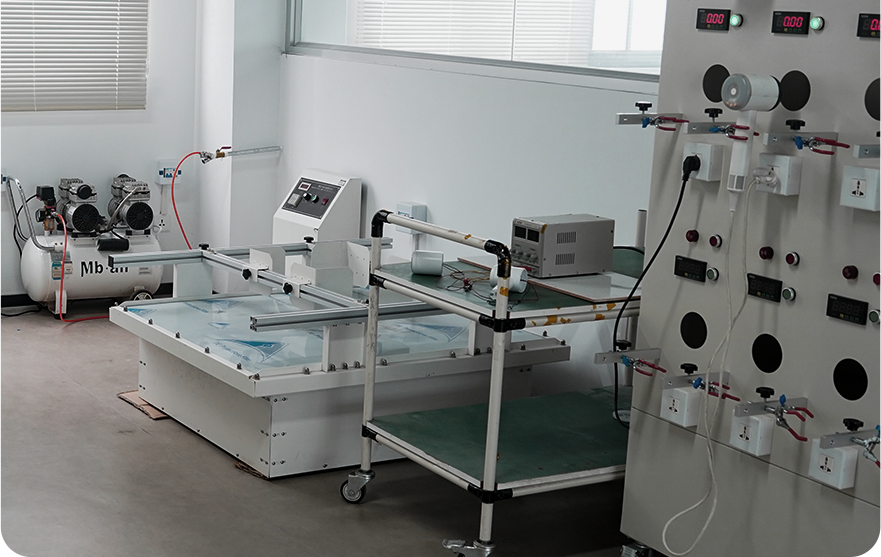
Good acoustic design requires more than computer simulation. Physical testing is also important during product development.
Engineers can measure:
Testing at different operating conditions helps engineers identify the main sources of unwanted noise.
This data can then be used to optimize the motor, impeller, housing, and airflow system.
Noise can have a direct effect on the user experience.
Professional stylists may operate hair dryers and styling tools for several hours each day. Lower operating noise can make the working environment more comfortable.
For home users, quieter appliances can also be useful during early mornings, late evenings, or shared living environments.
Therefore, low-noise high-speed appliances can offer a combination of strong performance and improved acoustic comfort.
Pritech develops high-speed personal care appliances with a focus on airflow performance, motor efficiency, vibration control, and acoustic testing.
Our engineering team can evaluate motor systems, impeller structures, airflow channels, and product housings during product development.
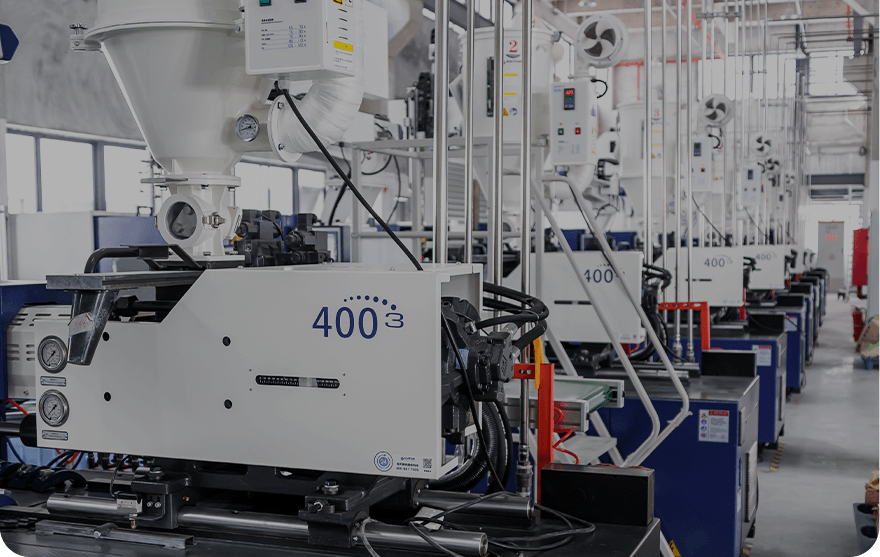
For brands looking for OEM and ODM high-speed personal care appliances, Pritech can provide support from product design and prototyping through tooling, testing, and mass production.
Developing low-noise high-speed appliances requires a combination of aerodynamic design, vibration isolation, structural optimization, and acoustic testing.
By optimizing the motor, impeller, airflow channels, and housing structure together, manufacturers can develop high-speed personal care appliances that provide strong airflow with improved acoustic comfort.








 Basket(3)



 CHINA
 LIBERIA
 FRANCE
 BARBADOS
 KIRIBATI


