


With global regulatory bodies implementing strict circular economy policies—such as the European Union’s Right to Repair regulations—the consumer electronics industry is shifting toward modular hardware design. Traditional glued-together personal care devices are difficult to dismantle, resulting in premature disposal when a single battery or wire fails. Adopting modular engineering allows brands to build repairable, scalable, and environmentally responsible appliances. This post explores the structural mechanics and commercial advantages of modular hardware design.
Transitioning away from permanent structural adhesives, modular devices feature high-strength snap-fit interlocking mechanisms and standardized mechanical fasteners. Using accessible assembly joints allows technicians and end-users to non-destructively open device housings, access internal components, and perform routine maintenance or parts replacement without damaging outer plastic shells.
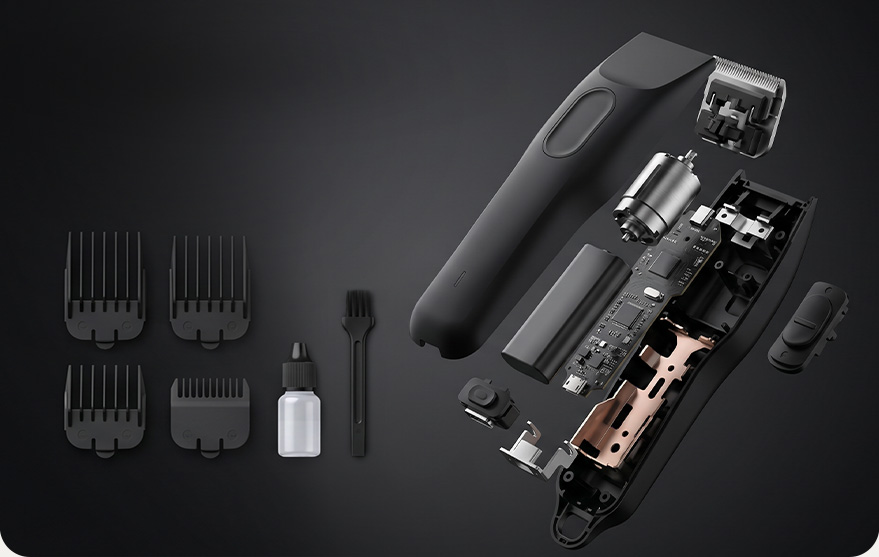
In modular styling and grooming tools, major sub-assemblies—such as the main circuit board module, motor housing, heating element, and lithium battery pack—are connected using standardized plug-and-play wiring connectors. Eliminating hard-soldered internal wire connections allows for fast, tool-free replacement of failed electrical components during warranty service.
Rechargeable lithium battery cells typically degrade long before the mechanical motor or motor housing reaches the end of its operational life. Modular design separates the battery pack into an easily accessible internal sub-chassis. This layout allows for straightforward battery recycling and safe replacement, extending total product service lifespans by years.
For international distributors and retail brands, modular hardware architecture drastically reduces warranty return expenses and customer support costs. Instead of replacing entire defective devices, regional service centers can stock low-cost modular spare parts and perform quick repairs. Pritech designs modular product platforms that simplify after-sales logistics while helping brands align with global eco-sustainability mandates.
Modular hardware design is a core element of sustainable manufacturing and cost-effective after-sales support. Pritech equips global brand partners with repairable, modular personal care platforms designed to meet evolving international regulations.





 Basket(3)




 CHINA
 LIBERIA
 FRANCE
 BARBADOS
 KIRIBATI


